



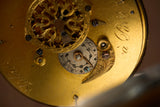






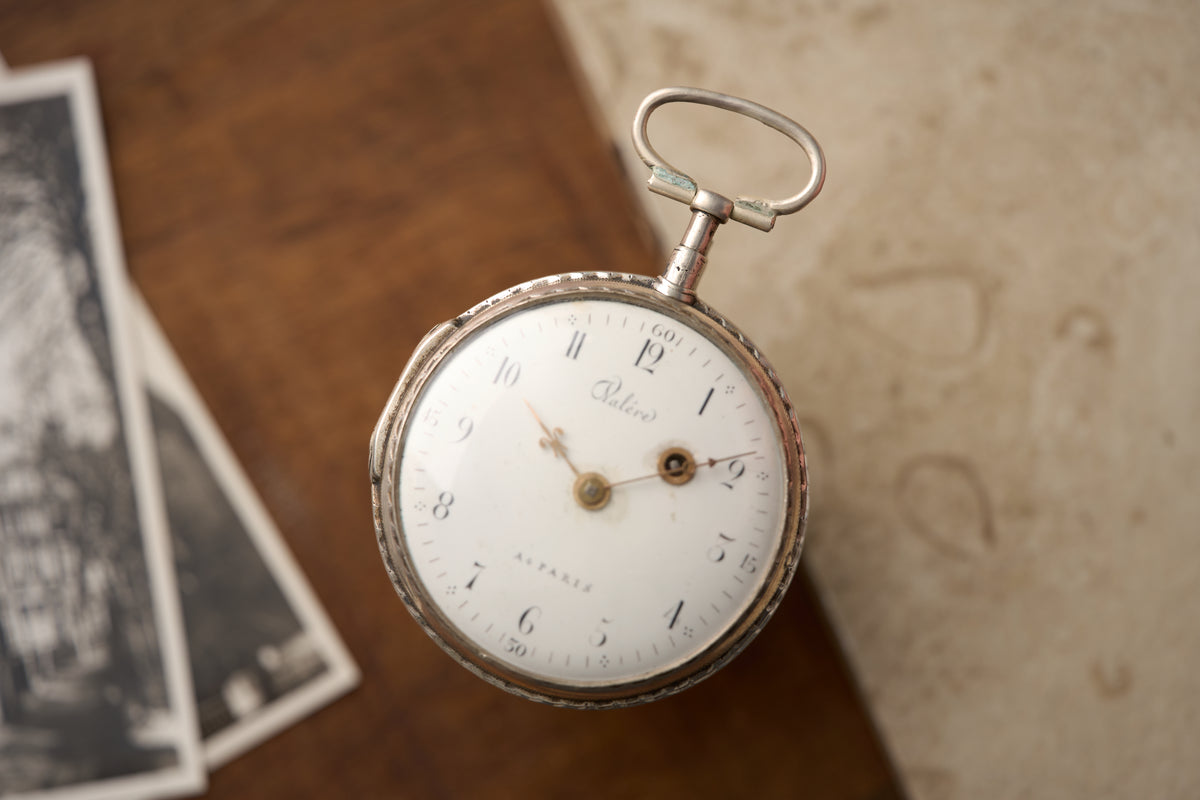








Valaire, Paris Silver Verge Fusee Pocket Watch, c.1780-1800



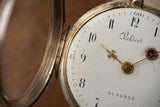
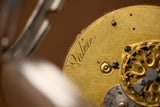
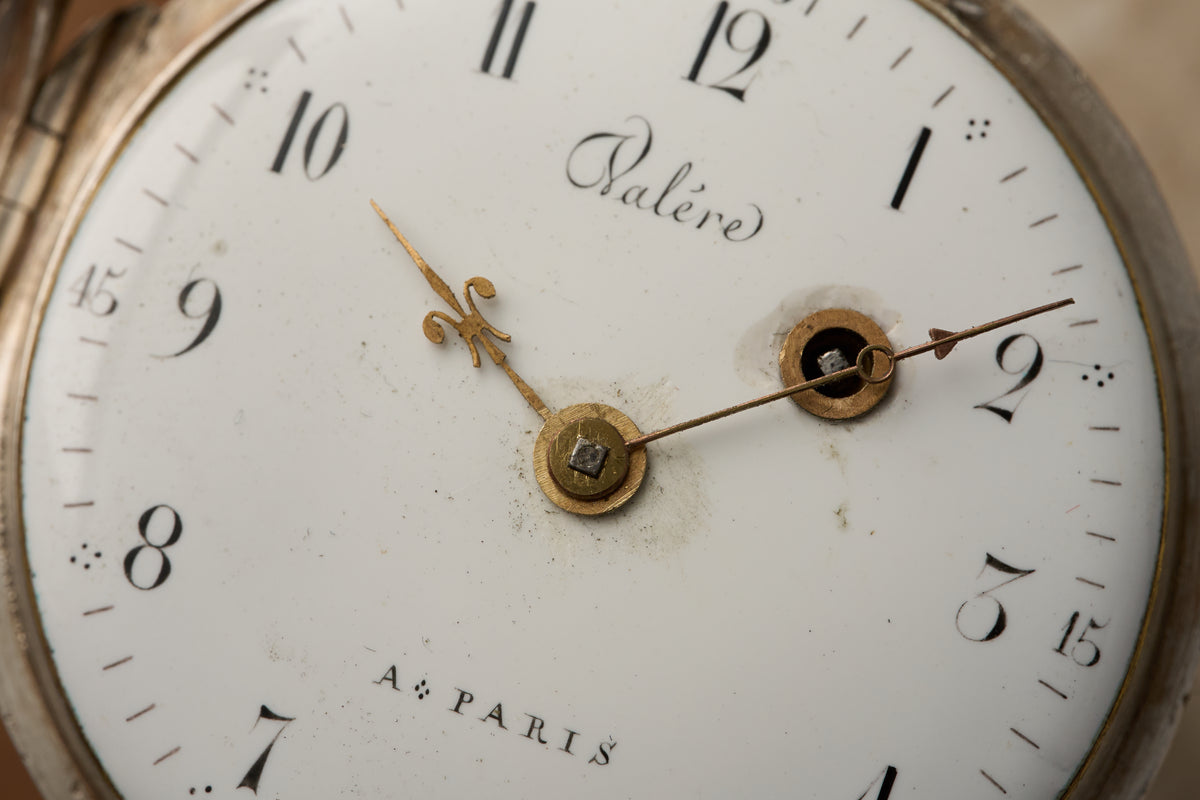
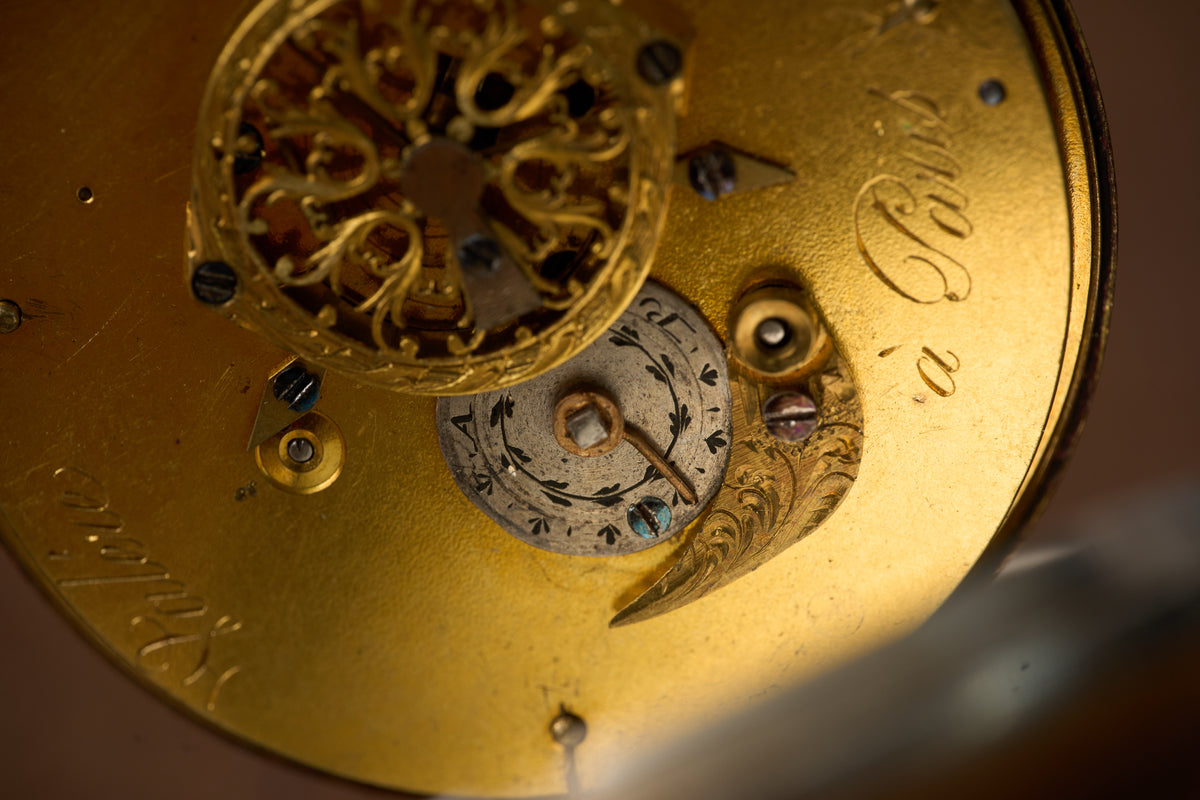
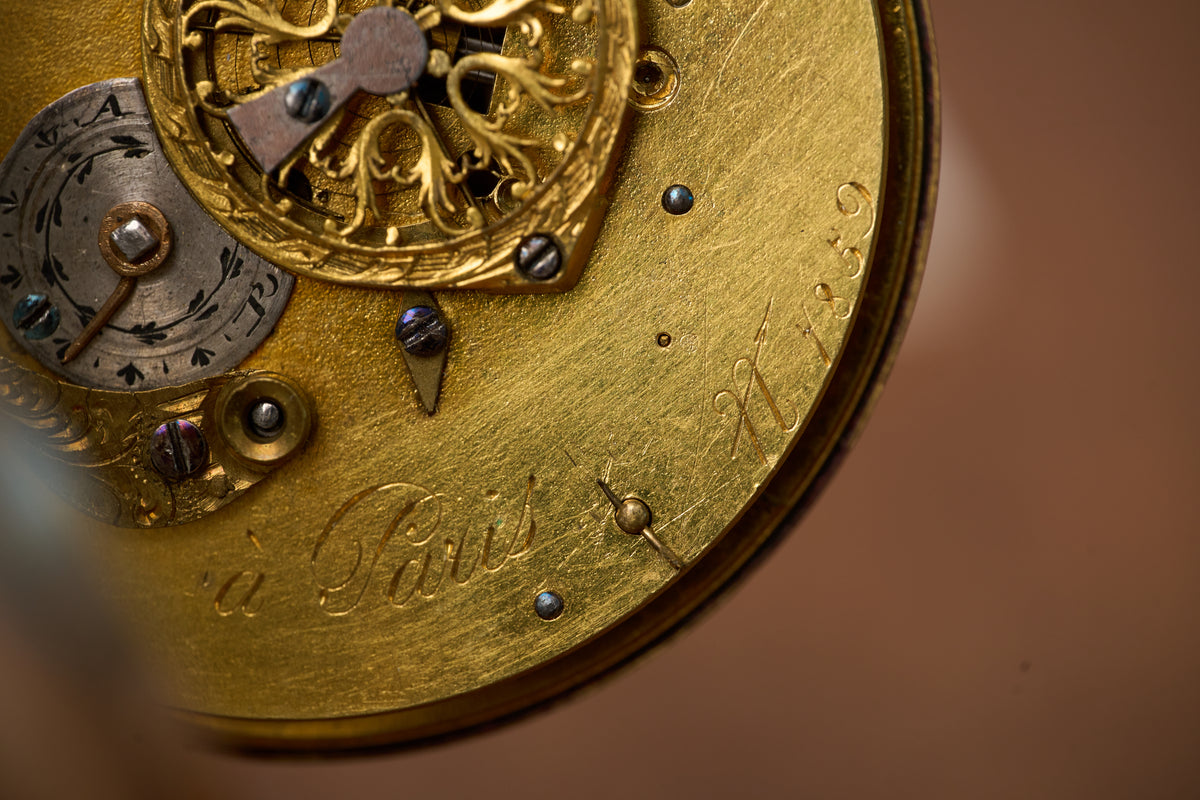
This is a silver verge fusee pocket watch signed twice over: Valaire on the dial in cursive script, and again on the movement, with A. PARIS and a Paris beneath. Valaire is a documented Paris watchmaking name. Auction houses including Antiquorum, Heritage Auctions, and Bukowskis have sold pieces bearing this signature, most of them in gold with enamel or gem-set cases, dated across a range from roughly 1790 to 1830.
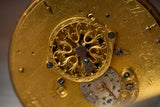
This example is different from those in one important way: it is much larger. At 66mm across, the case is a genuine oignon format, the large, rounded style that was standard before pocket watches shrank down toward the end of the 18th century. Every comparable Valaire piece we found runs 45 to 55mm. The size, combined with the finely pierced and engraved balance cock inside, points to an earlier date within that range, likely the 1780s to 1800.
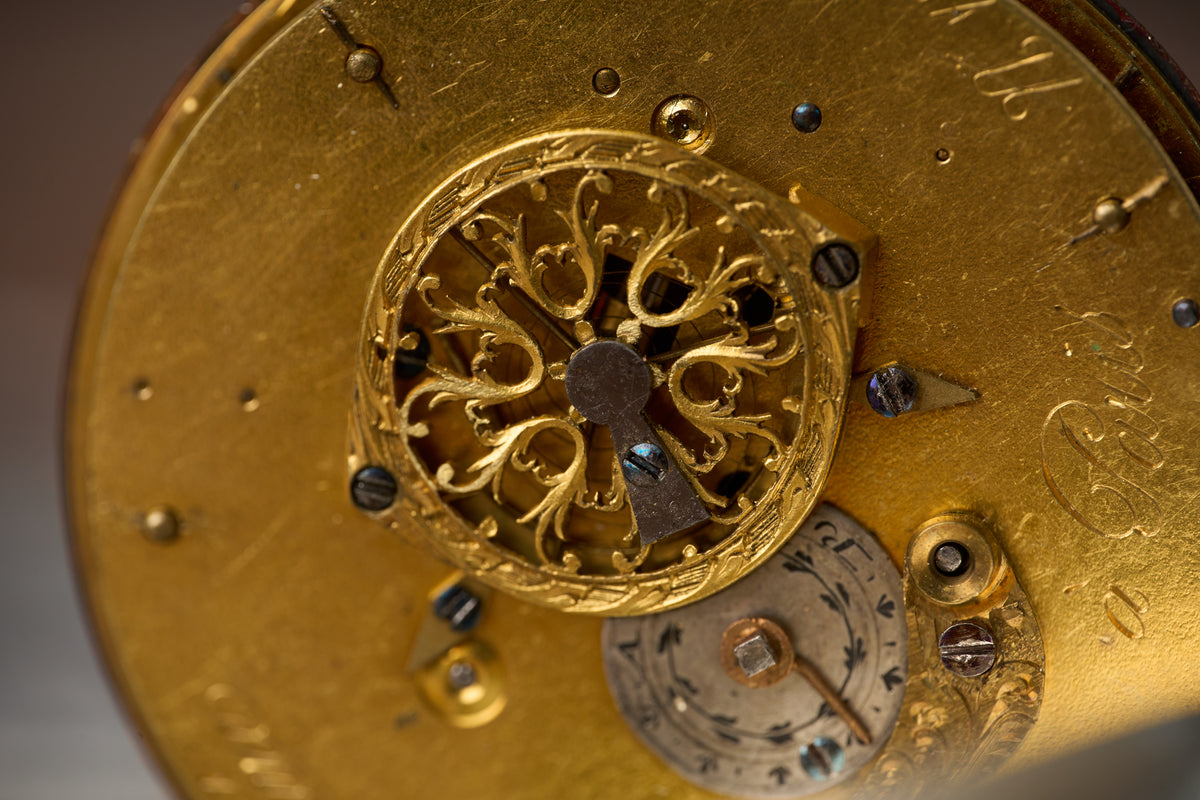
The watch is entirely manual in operation. There is no crown. Winding is done through a key at the back of the movement, and the hands are set the same way, through a small aperture near the 1 o'clock position on the dial. This is original to how the watch was built and used, not a later modification or a fault.
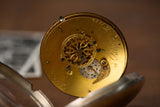
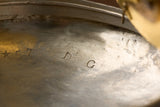
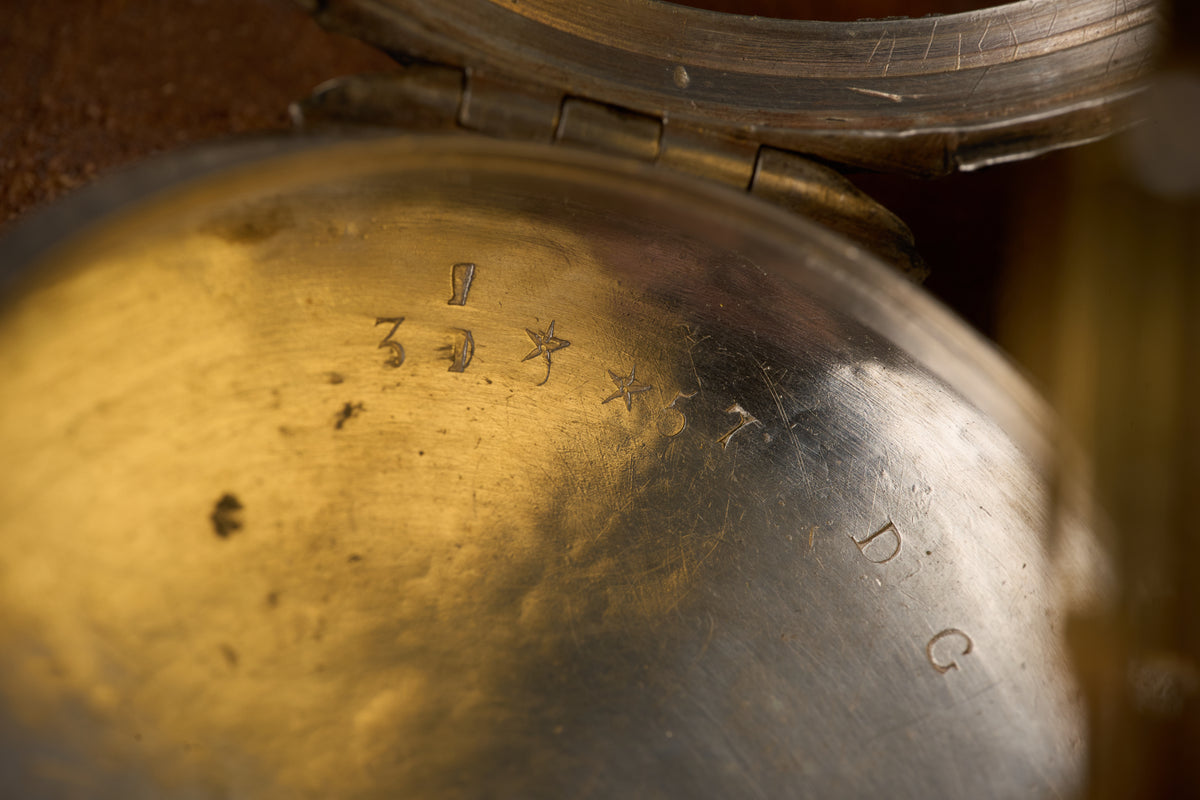
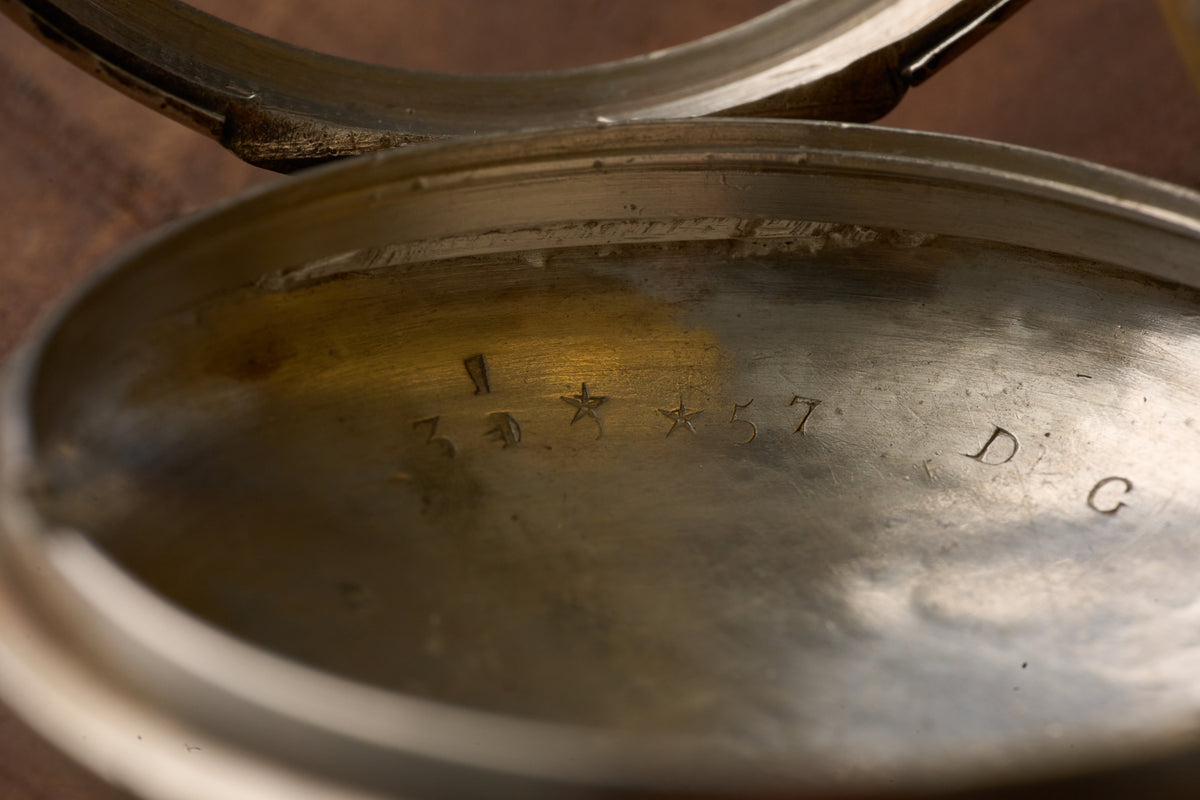
Inside, the movement is gilt brass with a verge fusee escapement and a finely pierced, scroll-engraved balance cock, the kind of hand-finishing that took real skill to produce. It is engraved with the reference number 1859 next to the maker's signature. The case interior carries a cluster of worn punch marks consistent with French silver hallmarking of the period, though age and handling have left them too soft to read with full confidence.
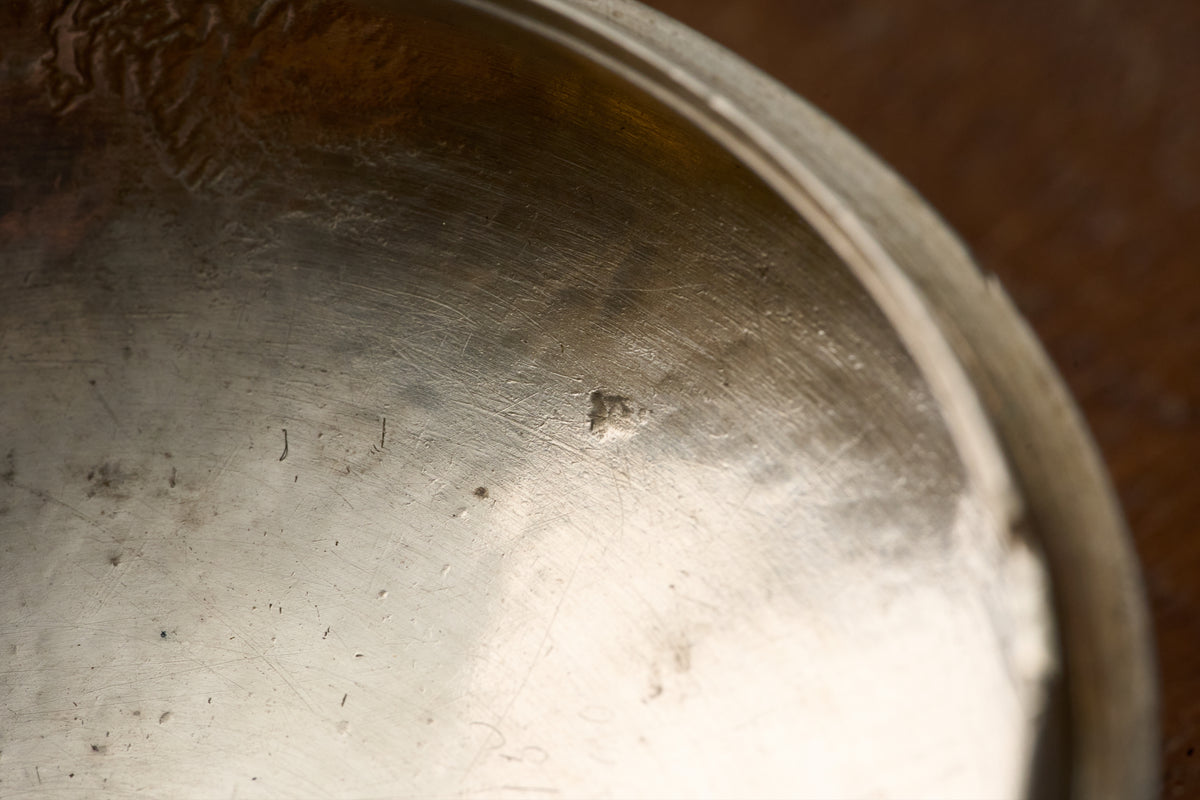
Condition is honest rather than pristine, which is exactly what you would expect and want from a watch this age that has clearly been used and carried, not kept in a drawer. The case edge shows real wear along its engine-turned band, the kind that accumulates over two centuries of pocket carry. The plain outer back is in cleaner shape, with light handling marks only. The hinges are solid, the case shuts cleanly on both the back and the glazed bezel, and the crystal is undamaged. The white enamel dial is clean and sound, just needing a light dusting. Functionally, the watch winds, sets, and runs correctly.
Antique pocket watches have been picking up real momentum with collectors recently, prized for the scale of their movements and the tactile experience of winding and setting them by hand. This is a piece for someone who wants a genuine, working example of 18th century French horology, not a display case ornament. It carries a real signature with a real market history, a dramatic scale that is rare to find intact and functioning, and a mechanism built before the wristwatch existed, still doing its job today.